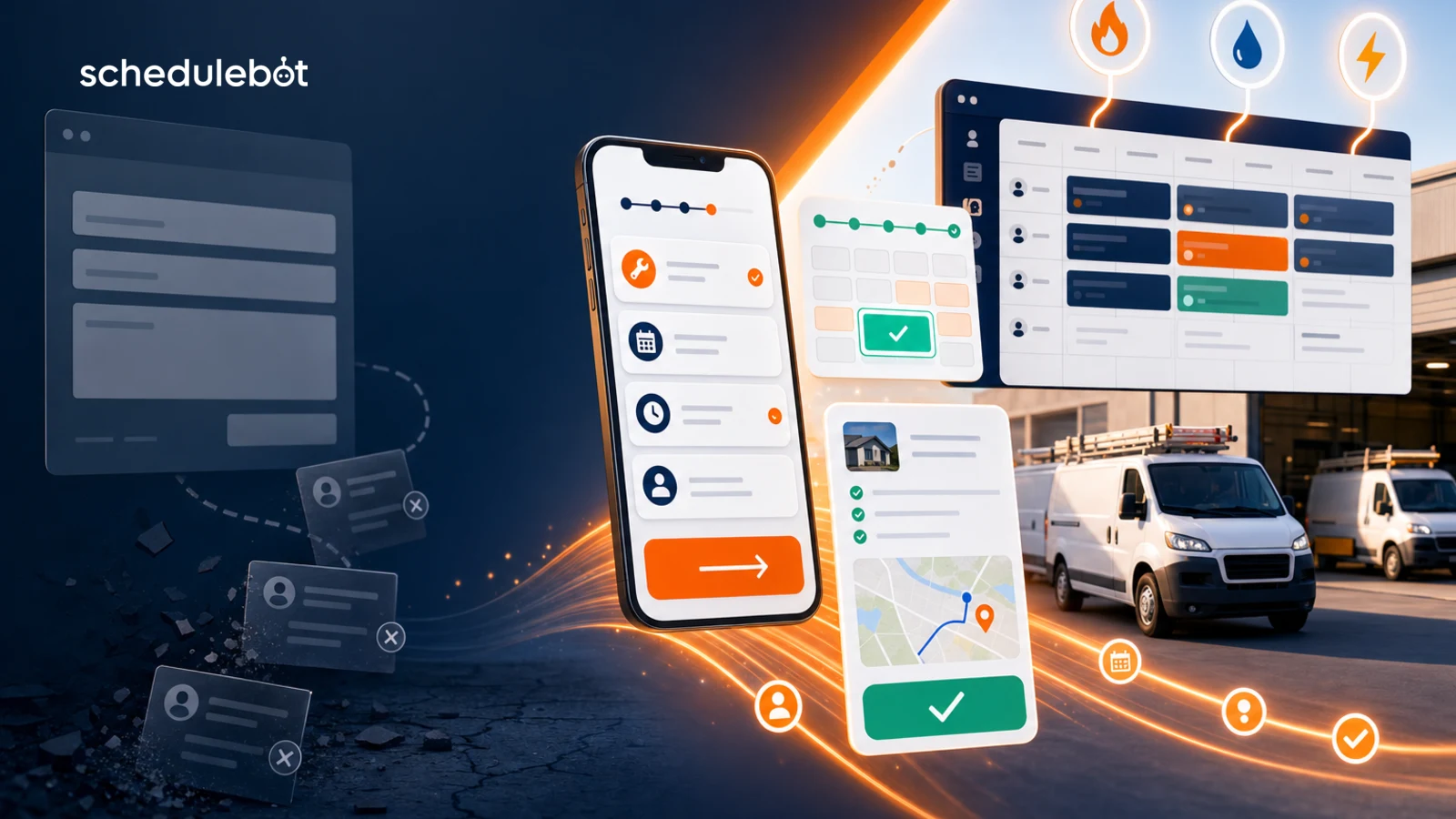
Missed Call Recovery, Call Tracking, Revenue Attribution, Home Services
7 min read
How to Measure Missed-Call Recovery ROI for Home Service Companies

September 24, 2026







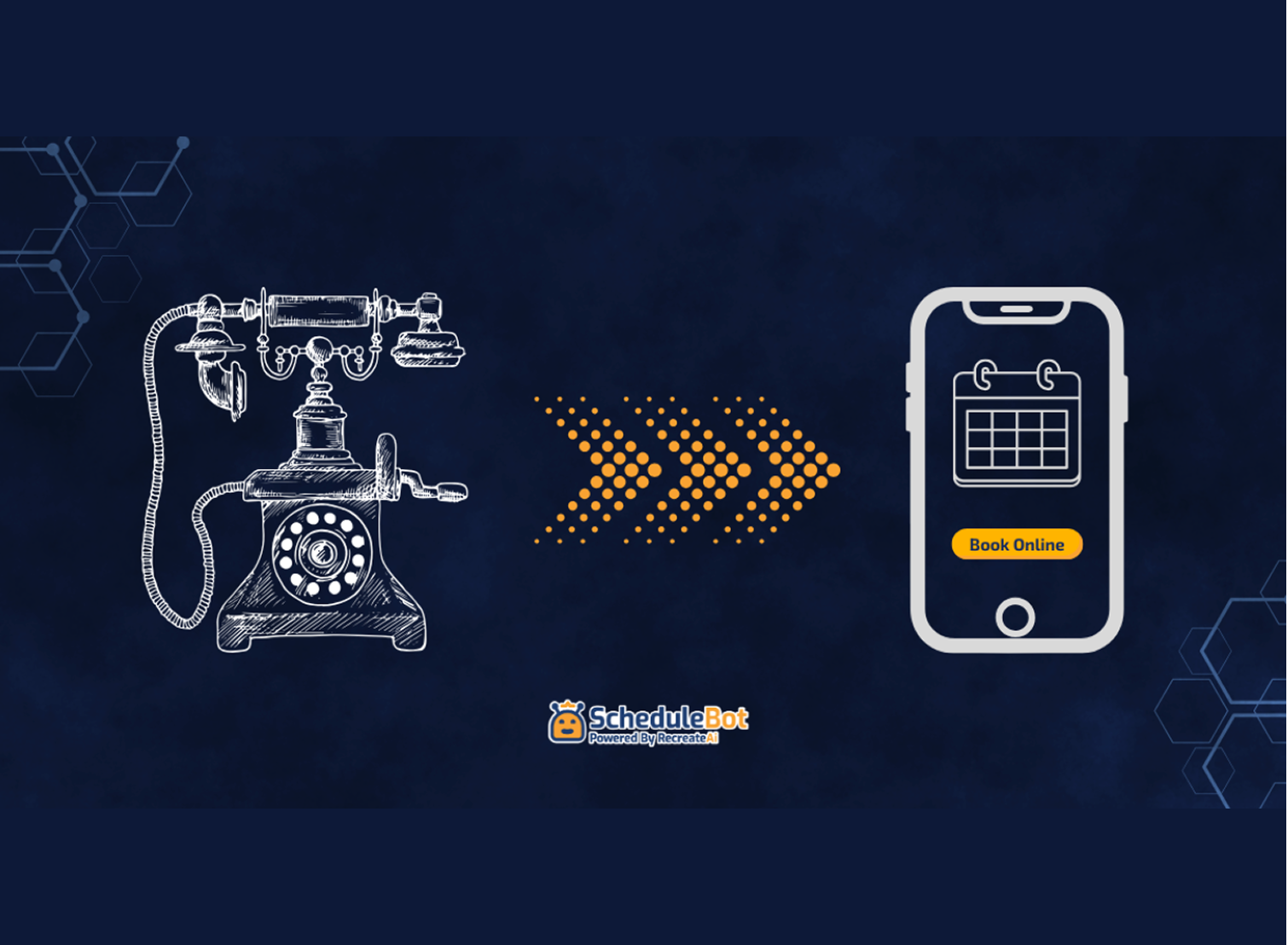
Homeowners don’t book home services the way they did ten years ago.
They don’t always want to call.
They don’t always want to wait.
They want to schedule the same way they order food, book travel,or make a doctor’s appointment.
Online.
For HVAC, plumbing, and electrical companies, this shift changes everything.
Not just how customers schedule, but how many of them actually become booked jobs.
If your online scheduling system isn’t strong, you are likely losing high-intent homeowners every day.
Consumer be havior has changed.
Today’s homeowners:
In many markets, a large percentage of website traffic happens:
If a homeowner visits your site at 9:30 pm and cannot easily schedule,they move on.
Online scheduling is no longer a “nice feature.”
It’s an expectation.
There are four main drivers behind the shift.
Online booking removes friction.
No waiting on hold.
No explaining details twice.
No business-hour limitations.
It feels faster and more in control.
The majority of home service searches happen on mobile devices.
Typing is easier than calling for many users, especially in public or at work.
If your scheduler isn’t mobile-friendly, you are losing a large percentage of potential bookings.
HVAC failures and plumbing issues often happen outside of business hours.
Even when they don’t, homeowners frequently research at night.
If scheduling isn’t available when demand exists, conversion drops.
Younger homeowners expect digital self-service options.
Millennials and Gen Z homeowners are more comfortable booking online than making a call.
As home ownership shifts younger, digital scheduling becomes even more important.
If more homeowners prefer to schedule online, your booking system becomes a revenue driver.
But here’s the problem:
Most companies add online scheduling without optimizing it.
They install a generic scheduler and assume:
“Now we’re modern.”
But almost all online schedulers only convert 20–30% of attempts into booked jobs.
That means:
70–80% of homeowners who try to schedule never complete it.
If you’re paying for Google Ads or Local Services Ads, that is expensive leakage.
For a deeper breakdown of why online schedulers convert poorly, see our guide on why most online schedulers only convert 20–30%.
Adding online scheduling without optimizing it can actually create new problems.
You believe you’re capturing demand.
In reality, most of it is slipping away.
If 100 people click “Schedule Now” and only 30 complete it,you’re paying to lose 70.
Improving booking rate often produces more ROI than increasing ad budget.
Unfilled calendar slots aren’t always a marketing issue.
Sometimes they’re a booking issue.
Better scheduling performance means fuller dispatch boards.
If your competitor converts 60% of online scheduling attempts and you convert 30%, they win. Even with the same traffic.
The advantage compounds.
The shift toward online booking isn’t a threat.
It’s leverage.
When done right, online scheduling can:
But this requires more than a static form.
It requires intelligent booking logic.
For a complete breakdown of how AI booking software improves conversion performance, see our full guide to AI booking for home service companies.
Companies that capitalize on this shift do five things differently.
Different jobs require different questions.
Drain cleaning is not the same as system replacement.
Adaptive scheduling increases clarity and confidence.
When bookings flow straight into systems like ServiceTitan or Housecall Pro:
Integration builds trust in the process.
Many homeowners start booking but don’t finish.
High-performing systems:
Recovering abandoned leads alone can meaningfully increase booking rate.
Some customers prefer to call.
Others prefer chat.
Strong operators protect every touchpoint:
This makes sure no lead slips through.
Let’s simplify the math.
If 300 homeowners attempt to book online in a month:
At 20% conversion → 60 jobs
At 60% conversion → 180 jobs
That’s 90 additional jobs.
If your average ticket is $1,000:
90 × $1,000 = $90,000
From the same traffic.
The shift to online scheduling isn’t just about convenience.
It’s about revenue efficiency.
Companies that under invest in online scheduling often experience:
The market doesn’t slow down.
Homeowners expect more.
Online scheduling in home services is not a passing trend.
It is a permanent shift in how homeowners book HVAC, plumbing, and electrical repairs.
The real question isn’t:
“Should we offer online scheduling?”
It’s:
“How well does our online scheduling convert?”
Because as more homeowners choose digital booking, your booking system becomes one of the most important drivers of revenue inside your company.
And companies that optimize it will outperform those who treat it as an afterthought.