




ServiceTitan Scheduling, ServiceTitan Online Booking, ServiceTitan AI, Booking Automation, AI Scheduling
8 min read
ServiceTitan Scheduling Automation: What It Does and What ScheduleBot Adds

July 27, 2026





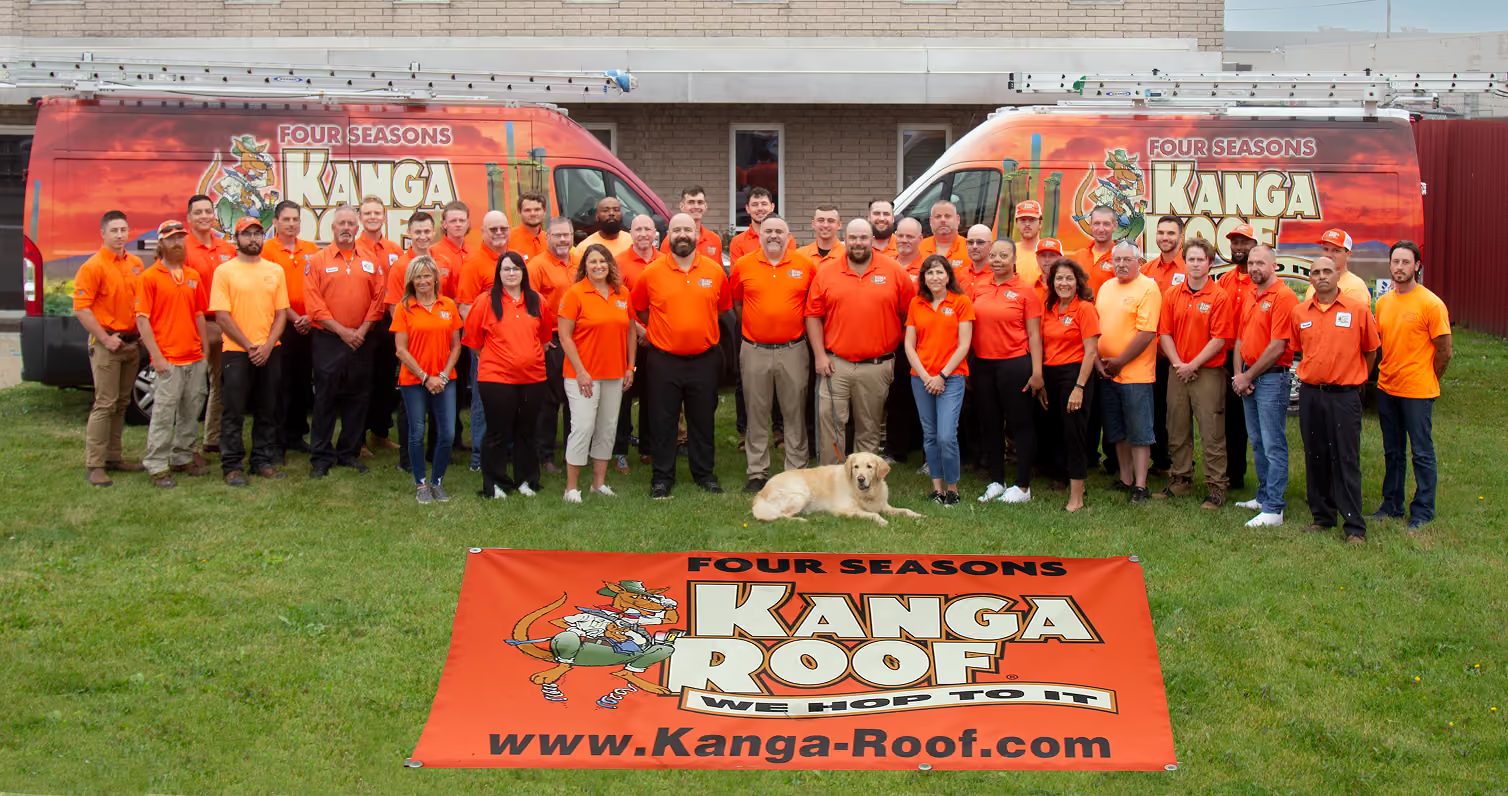


Four Seasons Kanga Roof is a roofing company based in Macomb County, Michigan, serving the Metro Detroit area. Founded as a commercial roofing contractor by Bill Burkhardt Sr., the company expanded into residential services and is now celebrating its 20th year in business. Today the company is co-owned by Bill Burkhardt Jr., his brother Matthew, and partner Brian Neaton.
When Bill Jr. returned to the company in 2018, Kanga Roof was doing approximately $4 million in annual revenue. This year the company is on track to hit between $20.5 and $22 million. Kanga Roof is one of the only roofing contractors in Metro Detroit to equally serve both commercial and residential clients, and the only one with a full-time in-house service department. They also operate the Kanga Kare Club, an exterior maintenance program for ongoing clients.
Bill Burkhardt Jr. had built his operational philosophy around what he calls the "222 policy": answer the phone in two rings or less, respond to electronic leads in two minutes or less, and schedule within two days or less. The intent was right. The execution had a blind spot.
Before ScheduleBot, Kanga Roof was missing a significant volume of phone calls, particularly after hours, on weekends, and during peak periods when the team was already on the line. The problem was not visible until ScheduleBot went live and the data made it impossible to ignore.
Their CRM, Centerpoint Connect, is a niche platform built specifically for roofers that does not integrate easily with outside tools. Getting ScheduleBot connected required real effort from the team, but they made it work, going live by Thanksgiving after beginning implementation in late October.
Kanga Roof deployed all three ScheduleBot products: AI Form, AI Voice, and AI Chat. The AI Voice product was given its own identity on the call center side and is now known internally as "Kanga Carol," handling overflow calls and after-hours volume so the team can focus on the customers they are actively serving.
ScheduleBot was configured to serve both the commercial and residential sides of the business, and the team also set up emergency dispatch routing through the system. After-hours calls that come in for emergency service now trigger an immediate text and email to the on-call service manager, ensuring a callback happens regardless of the hour.
The moment it clicked: Within the first month, ScheduleBot handled a call that came in at 6:00 AM on a Saturday. The system sent a text follow-up, which led the customer to the instant quote feature. By Monday morning an appointment was on the board. That same day, it had turned into a $40,000 roofing project. That single event made the internal case for the tool and ended the conversation about ROI.
— Richard Hart
Since going live, Kanga Roof beat all of their appointment set goals for the entire first quarter for the first time in company history. They repeated that performance in April.

The team now handles overflow with confidence, knowing Kanga Carol is picking up what they cannot. Rather than rushing off calls to catch the next one, CSRs can focus fully on the customer in front of them while ScheduleBot manages the queue.

The board has been consistently full since March. The combination of after-hours capture and faster response times means fewer leads go cold before they reach the scheduler, and booked jobs now flow more reliably into the week.

Emergency dispatch is now routed through ScheduleBot. After-hours emergency calls trigger an immediate text and email alert to the on-call service manager, turning what used to be a missed opportunity into a guaranteed callback.

ScheduleBot's data visibility has made marketing spend more strategic. The team can now pause lead aggregators when the pipeline is full, and make decisions about whether to spend more on new lead generation or invest in better service for existing leads.