Google Ads, Local Services Ads, Missed Calls, Home Services
6 min read
How to Recover Missed Google Ads Calls Before They Become Lost Jobs

September 15, 2026





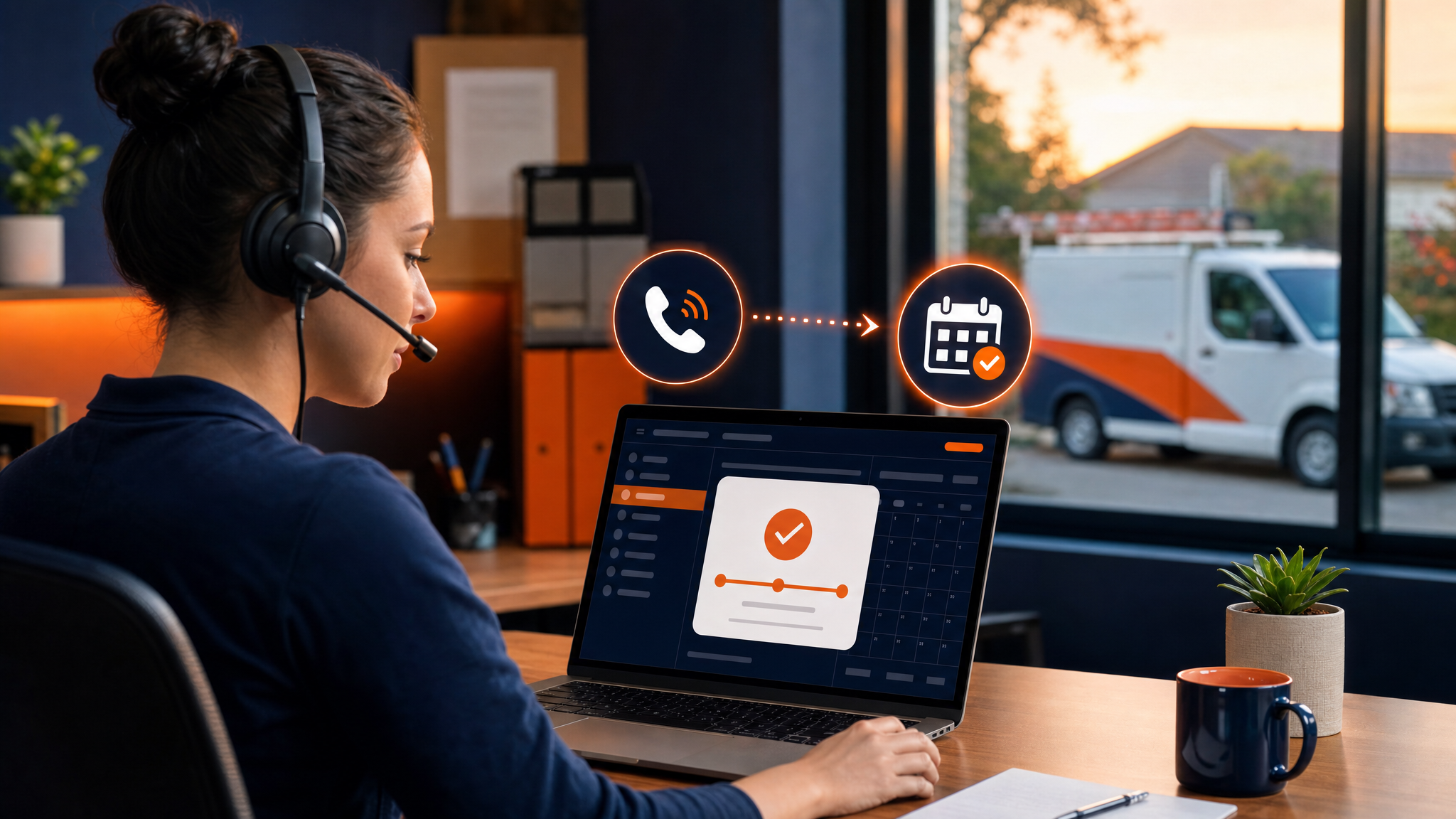
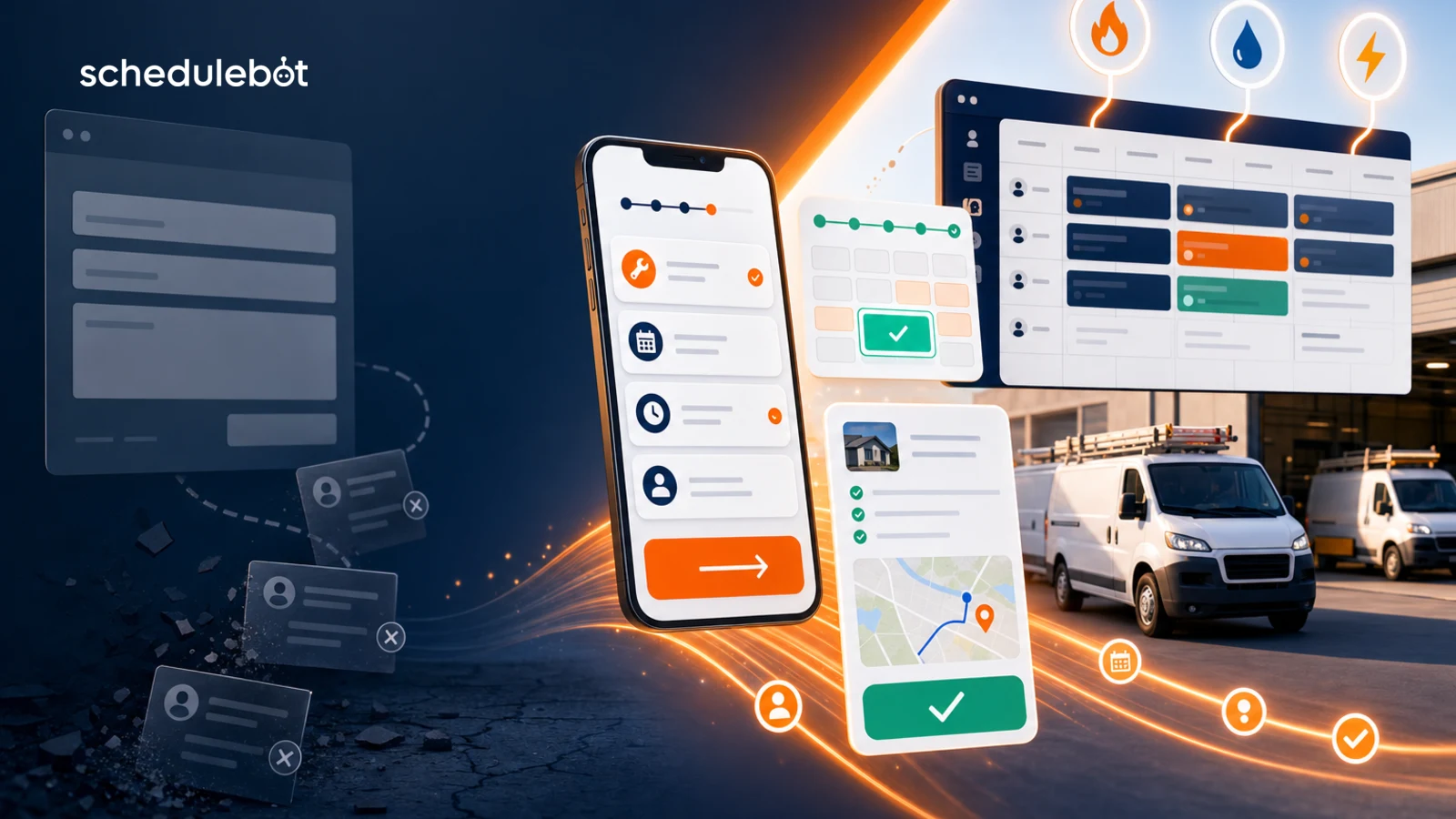
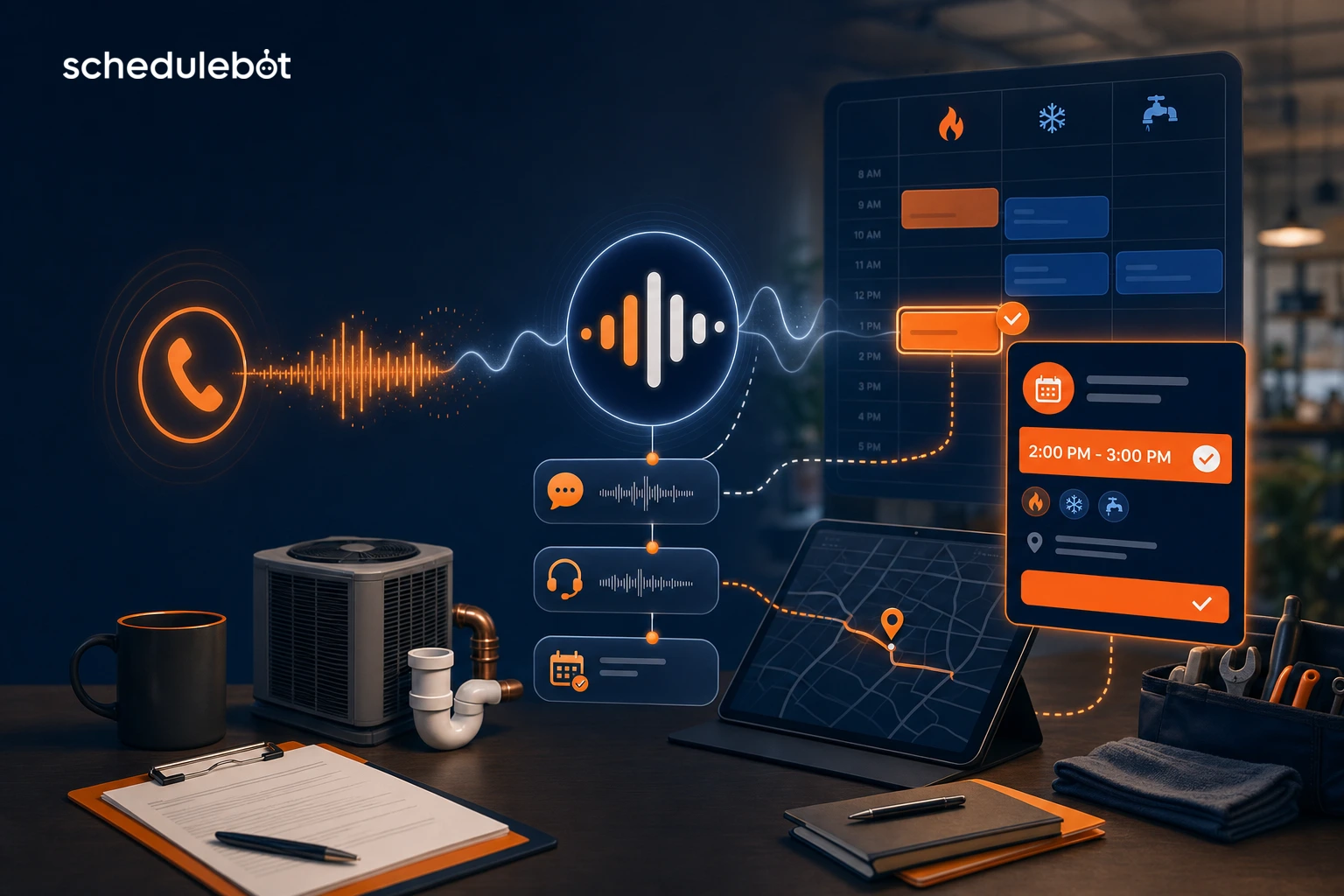
A missed Google Ads or Local Services Ads call is a paid opportunity that can disappear before your office gets a second chance. Home service companies can protect that demand by detecting unanswered calls, responding immediately, qualifying the request, and moving the customer into a real booking workflow.
For HVAC, plumbing, electrical, and roofing companies, paid calls are usually high intent. The customer has searched for help, selected a contractor, and is ready to talk. When the call rings out or reaches voicemail, the next search result is one tap away.
Not every inbound call has the same value. A call from a Google Ads campaign, Google Local Services Ads, or a branded local search is often tied to active buying intent. The business already paid to create the demand, so an unanswered call creates two problems: wasted acquisition spend and a lost chance to fill the dispatch board.
Track missed calls by source before treating them as one generic queue. Separate Google Ads, Local Services Ads, Google Business Profile, organic search, direct, and repeat-customer calls. This makes it possible to see where the expensive gaps are.
Answer: A contractor should respond within minutes, identify the service need and location, confirm that the job fits the service area and hours, then offer a booking path or route a qualified lead to the office. The goal is a booked job, not simply a returned voicemail.
Start with high-cost, high-intent sources and the hours where your team is least able to answer. For most contractors, that means Local Services Ads, paid search calls, after-hours emergencies, peak-season overflow, and repeat customers. A generic next-day callback queue usually comes too late for those callers.
Measure response time, recovered conversations, booked appointments, and estimated value by source. Callback volume alone is not the outcome. If ads are generating calls but few recover into booked work, inspect the handoff from first response through scheduling.
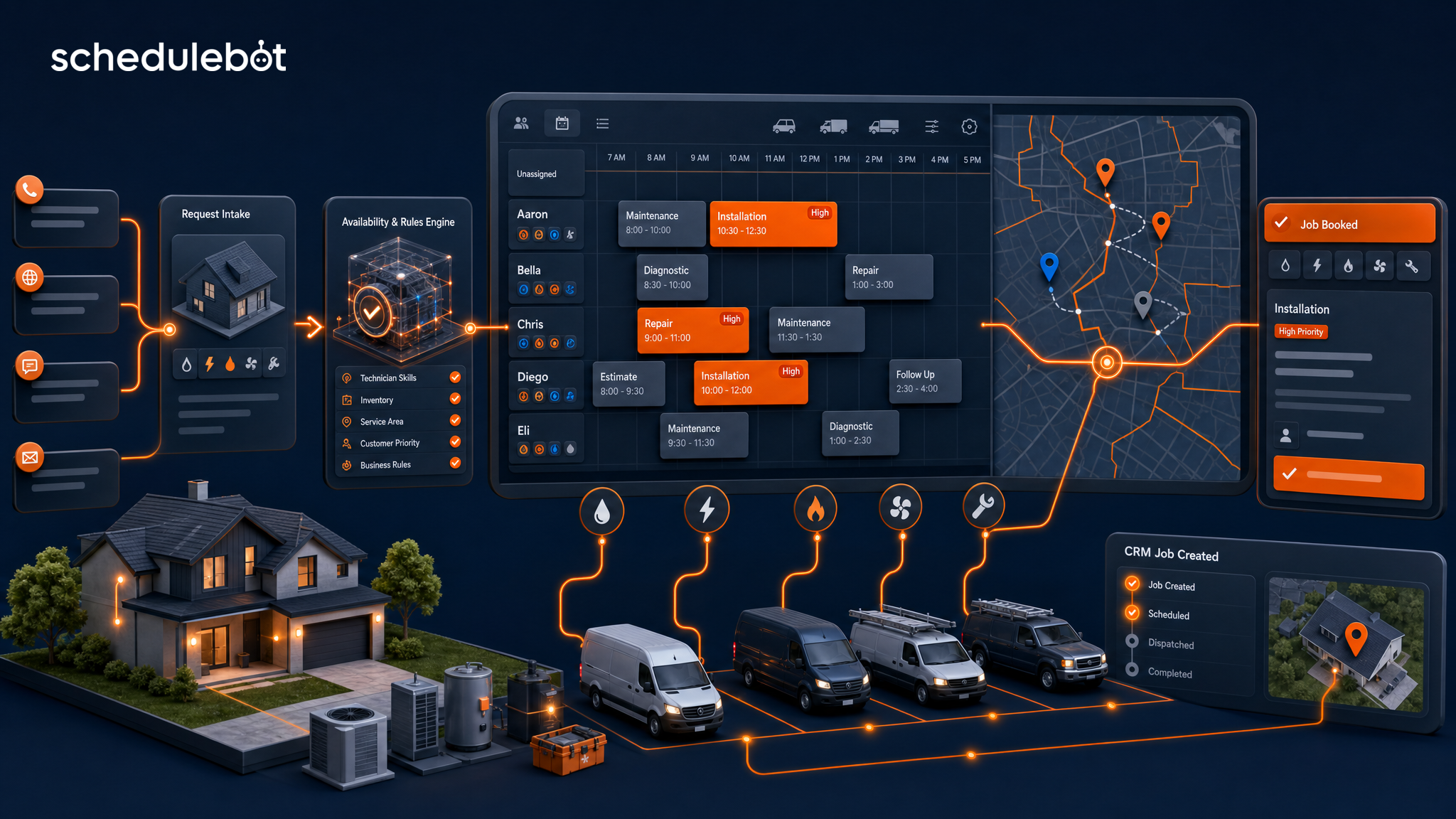
The recovery process should not end with “we got your message.” It should move the customer through service-specific intake and toward a scheduled appointment. ScheduleBot can support that path with AI Voice, AI Forms, and CRM-connected booking for platforms such as ServiceTitan and Housecall Pro.
For the broader revenue model, see our guide to missed-call revenue leakage for home services.
Respond as quickly as possible, ideally within minutes. Customers who searched and called are commonly contacting several companies.
Yes. They are usually high intent and should be prioritized in recovery reporting and response workflows.
It can when the company has configured job types, service area, availability, and CRM or field-service integration rules for direct booking.